


 Home
HomeUAE Extradition to Russia for Fraud and Legal Defence

UAE extradition to Russia for fraud is usually a fast-moving case because it can start with an extradition request UAE authorities receive through the official channel, or with an Interpol Red Notice UAE alert that becomes visible at border control or in Dubai. Once that happens, the legal defence has to move immediately, especially where the allegation is fraud extradition UAE and the person may face arrest, detention, or travel restrictions.
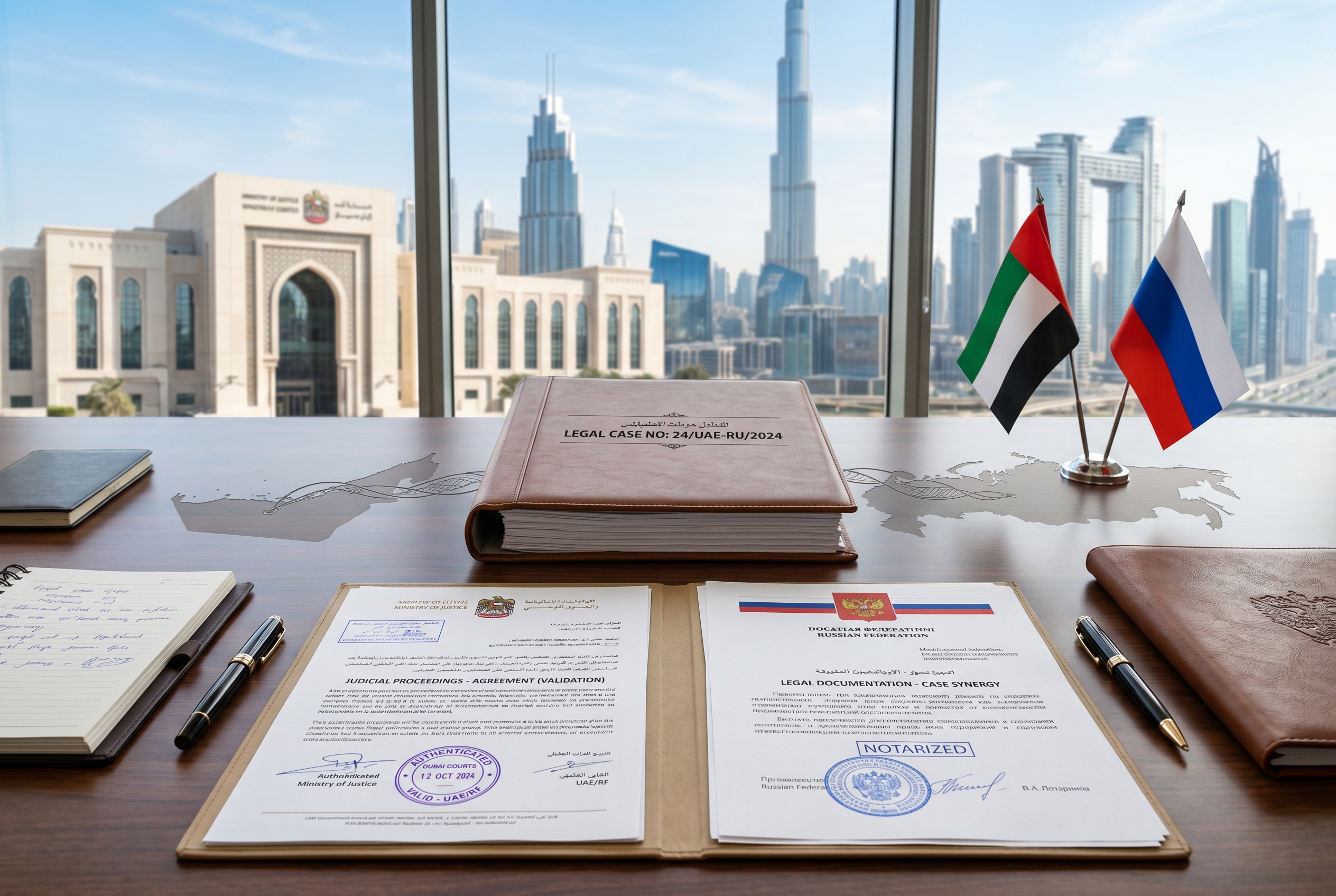
This article explains how extradition from UAE to Russia is handled in fraud matters, which bodies are involved, and which objections often matter most in practice. If the case starts with an Interpol Red Notice in Dubai, the legal response has to begin immediately. The key bodies are the UAE Public Prosecution, the UAE Ministry of Justice, Interpol NCB Abu Dhabi, and the Prosecutor General’s Office of Russia.
How UAE Extradition to Russia for Fraud Usually Starts
The Russian side normally prepares the case file through the Prosecutor General’s Office of Russia. That file may describe the alleged fraud, the loss amount, the relevant criminal provisions, and the basis for requesting surrender. If the person is already in the UAE, the request may move through diplomatic or judicial channels, and in many cases Interpol notice in Dubai becomes the practical trigger for police attention before the full file is reviewed. Where detention risk appears, the team should also look at Interpol arrest warrant exposure in the UAE.
In the UAE, the Public Prosecution is usually the first authority to examine the request. It checks form, identity, documents, and whether the file is complete enough to move forward. After that, the court and the Ministry of Justice may review the matter before any final surrender decision is made. So UAE extradition to Russia is not automatic. It follows a layered process.
Official Bodies That Matter in a Fraud Extradition UAE Case
- UAE Public Prosecution – receives the request, checks the file, and usually starts the local procedure.
- UAE Ministry of Justice – acts as the central authority and gives the final administrative step in the chain.
- Interpol NCB Abu Dhabi – becomes important where the case begins with an Interpol Red Notice UAE alert or border check.
- Prosecutor General’s Office of Russia – normally represents the Russian side and prepares the request for surrender.
What the Defence Checks First
In an extradition request UAE lawyers usually check the same core points first. Those include identity, dual criminality, whether the alleged fraud is actually criminal in both states, and whether the paperwork is complete. If the request is vague, missing translations, or built around documents that do not match the alleged conduct, the defence can press for rejection or delay.
In fraud cases, the defence also has to look at the commercial background. Some matters are dressed up as criminal complaints but are really contract, debt, shareholder, or investment disputes. That distinction matters because a fraud extradition UAE file should rest on a genuine criminal allegation, not a civil fight in criminal clothing.
Common Defence Angles in Extradition from UAE
Several points recur in these cases. A lawyer may challenge whether the offence passes the dual criminality test, whether the Russian request is properly documented, whether the identity evidence is reliable, and whether the limitation period has expired. If the case is tied to a political or private pressure campaign, that too can be relevant.
The defence should also test the internal logic of the file. In many fraud matters, the Russian complaint contains a large commercial story but a thinner criminal core. That can matter if the real dispute is about investment loss, repayment, contract performance, or company control rather than intentional fraud. UAE extradition law is not meant to convert every commercial grievance into criminal surrender.
- the allegation is not clearly fraud under both legal systems;
- the request is incomplete or not properly translated;
- the evidence package is weak or inconsistent;
- the case looks like a business dispute rather than a real criminal prosecution;
- the request is time-barred or procedurally defective;
- the person was already investigated, settled, or acquitted on the same facts.
Typical Procedure and Timing
In practice, the UAE side may move through several stages. First comes the initial police or border alert, often linked to Interpol NCB Abu Dhabi. Then the file is checked by the UAE Public Prosecution. After that, the court examines whether the request can proceed, and the UAE Ministry of Justice may handle the final administrative step before any surrender decision.
The process can move quickly at the beginning and much more slowly once the full file is under review. That is why the defence should not wait for a final decision before acting. It is better to challenge the file early, fix factual errors early, and preserve evidence before the case becomes harder to control.
- initial alert or detention risk;
- review by the UAE Public Prosecution;
- court scrutiny of the extradition request;
- final administrative step through the UAE Ministry of Justice;
- possible surrender if all legal thresholds are satisfied.
When Interpol Red Notice UAE data is involved, counsel should also review whether the notice itself is accurate and lawfully issued. A notice does not replace a full extradition test. It may alert police, but it does not settle the merits of the fraud extradition UAE claim. For a wider procedural overview, see our earlier guide on UAE extradition procedure.
Why Speed Matters in an Interpol Notice in Dubai Case
Once a person learns that an Interpol notice in Dubai may exist, the situation can move very quickly. Travel, banking, immigration checks, and even routine police contact can become risky. Early legal work gives the defence a better chance to challenge the notice, preserve evidence, and prepare for the extradition request UAE authorities may receive next.
In practical terms, this is where the defence team should gather court papers, company records, contract documents, settlement correspondence, and any material that shows the matter is not a straightforward criminal fraud case. The earlier those facts are organized, the stronger the defence position becomes.
What a Strong Defence Plan Usually Includes
- urgent review of the UAE arrest and notice risk;
- analysis of the Russian request and underlying fraud theory;
- checks on dual criminality and limitation periods;
- challenge to identity, translation, and filing defects;
- parallel review of any Interpol Red Notice UAE data;
- client strategy for hearings, bail, and evidence protection.
The best defence usually combines UAE procedure with the Russian file analysis. That means looking at the prosecution theory on both sides, not just reacting after the arrest stage. If you need urgent help, use our contact page and send the case details right away.
For direct help, use our contact page.
Facing extradition to Russia for fraud from the UAE?
We advise clients on UAE extradition proceedings involving Russian requests, including dual criminality challenges, bail strategy, and coordinated CCF defence. See our UAE–Russia extradition page or contact us for a confidential case review.
FAQ
Can UAE extradite a person to Russia for fraud?
Yes, if the request satisfies UAE extradition rules, the offence meets dual criminality, and the file survives court and Ministry review.
What happens first in a UAE extradition to Russia case?
The UAE Public Prosecution usually reviews the request first and checks whether the file is complete enough to move forward.
Does an Interpol Red Notice UAE mean automatic extradition?
No. A Red Notice can trigger police attention, but extradition still needs the UAE legal procedure and a separate assessment of the request.
Can a fraud case be treated as a civil dispute instead of extradition from UAE?
Sometimes yes. If the facts show a business, contract, or payment dispute rather than genuine criminal fraud, that can become a strong defence point.
Which Russian body usually sends the request?
The Prosecutor General’s Office of Russia is the key authority to identify on the Russian side, along with the supporting criminal file.






Disclaimer: This material is for informational purposes only and does not constitute legal advice.